Start at Hira Cultural District
Use Hira Cultural District as an interpreted introduction before deciding whether any surrounding terrain is suitable to approach.
The Royal Commission lists the district among Makkah's cultural landmarks. A managed visitor setting can explain history and context without requiring every person to climb Jabal al-Nour. Confirm current access, exhibition content and transport through official channels.
Do not confuse the cultural district with permission or fitness to reach the cave. Mountain conditions, heat and crowd density require separate judgment and current guidance. Families should prioritise the experience everyone can complete safely.
- Check official district information.
- Separate exhibition access from mountain access.
- Keep the family together in managed areas.
Treat mountain landmarks as demanding terrain
Approach Jabal al-Nour and Jabal Thawr only when access is permitted, conditions are suitable and the visitor is physically prepared.
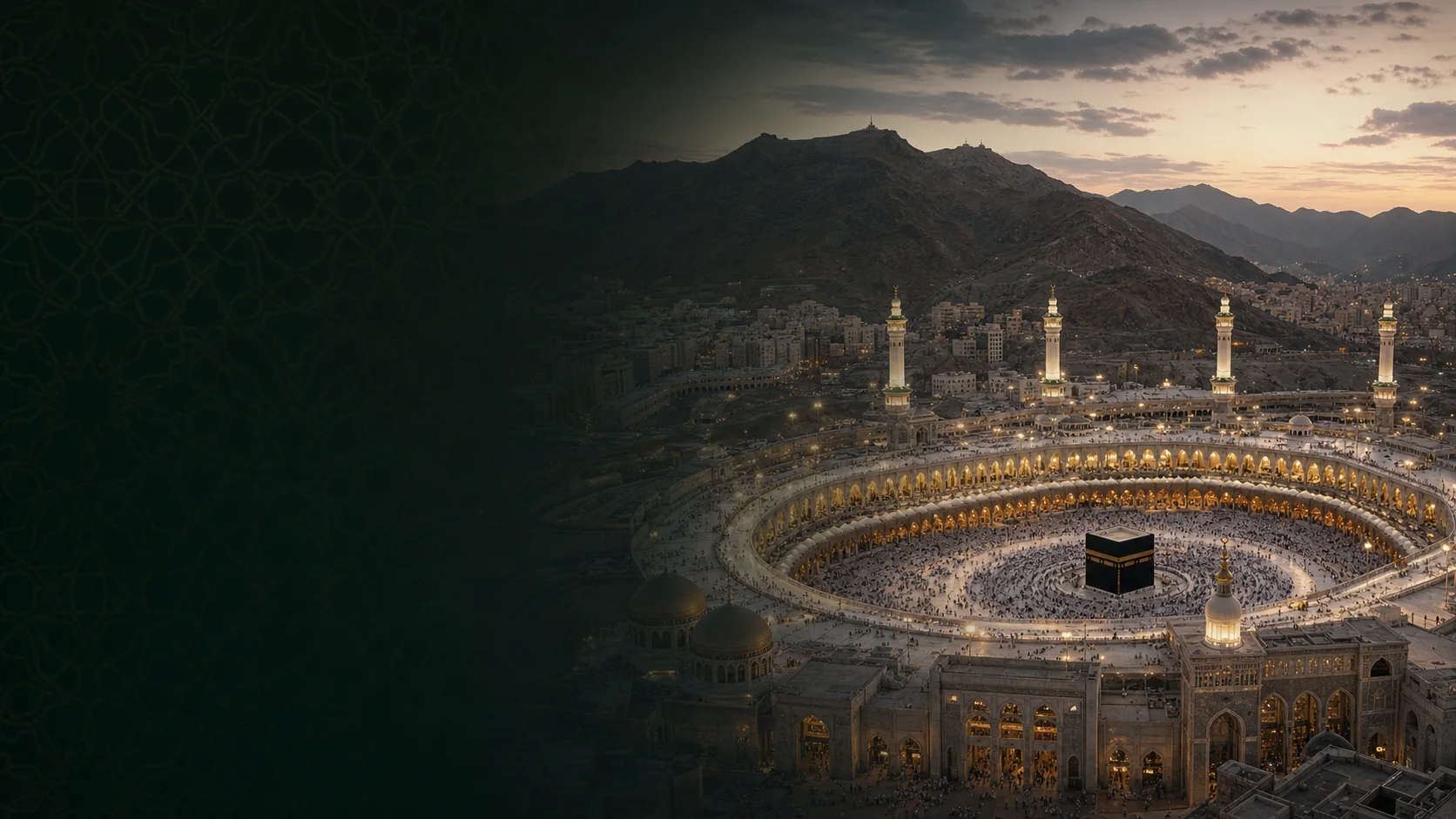
The Royal Commission's landmark material identifies these mountains within Makkah's historical landscape. That does not make the visitor routes easy or obligatory. Exposed rock, steepness, heat and crowds can create serious risk for unprepared visitors.
Never climb alone, after dark or by an unofficial path. Carry water, use appropriate footwear and turn back when conditions deteriorate. Visitors with health limitations can learn through museums and cultural interpretation without attempting the ascent.
- Follow current access instructions.
- Avoid heat and darkness.
- Turn back before exhaustion.
Use museums to examine material history
Choose official museums and exhibitions for objects, architecture and documented interpretation, then verify their current booking process.
Makkah Museum, the Two Holy Mosques Architecture Exhibition and the Clock Tower Museum address different aspects of the city's history. Official Royal Commission, Saudi Press Agency and national-platform pages provide starting points, but current access should be confirmed with the institution.
Read provenance and exhibit context instead of treating sacred objects as decorative backdrops. Follow all posted photography rules. Reject an unofficial private display that cannot clearly explain the responsible authority or origin of its material.
- Confirm current access directly.
- Follow object-photography restrictions.
- Ask authorised staff about provenance.
Visit the Kiswah story through authorised access
Learn about the Kiswah through official exhibitions or factory arrangements and never assume production areas are open to walk-in visitors.
The Royal Commission's historical-sites material includes information connected with the Kiswah factory. Operational sites can require advance coordination or have restricted access. Use the current official process and respectfully accept when a visitor appointment is unavailable.
Avoid purchasing items marketed with unsupported claims about sacred provenance. Museum shops or established official outlets provide much clearer accountability. Respect workers and restricted production areas by keeping cameras safely away unless photography is expressly permitted.
- Verify access before travelling.
- Do not buy items with unverified sacred claims.
- Photograph only with explicit permission.
Keep interpretation accurate and conduct restrained
Distinguish documented history, devotional tradition and guide commentary, and do not turn sacred landscapes into staged content.
Ask guides to identify the official or scholarly basis for a claim. Oral tradition may be meaningful, but it should not be presented as an archaeological fact without evidence. Avoid sensational stories designed to pressure a purchase or detour.
At every site, remain on permitted paths, take nothing, leave no writing and keep prayer or reflection private. Return to the Haram with enough time to rest. The purpose of a historical outing is deeper understanding, not proof that every location was reached.
- Ask what source supports each claim.
- Take nothing from the landscape.
- End the outing before it disrupts worship or health.